Designing A Workspace That Supports Your Ergonomic Needs A well-designed workspace can be the difference between a productive and comfortable workday, and one marked by physical discomfort and distraction. The reality is that a cluttered, poorly lit, or inadequately equipped workspace can quickly take a toll on your physical and mental well-being, leading to long-term health issues and decreased job satisfaction. Fortunately, by prioritizing ergonomics, you can create a workspace that supports your physical needs and helps you stay focused on the task at hand. Ergonomic Desk Setup Mistakes To Avoid For Better Productivity
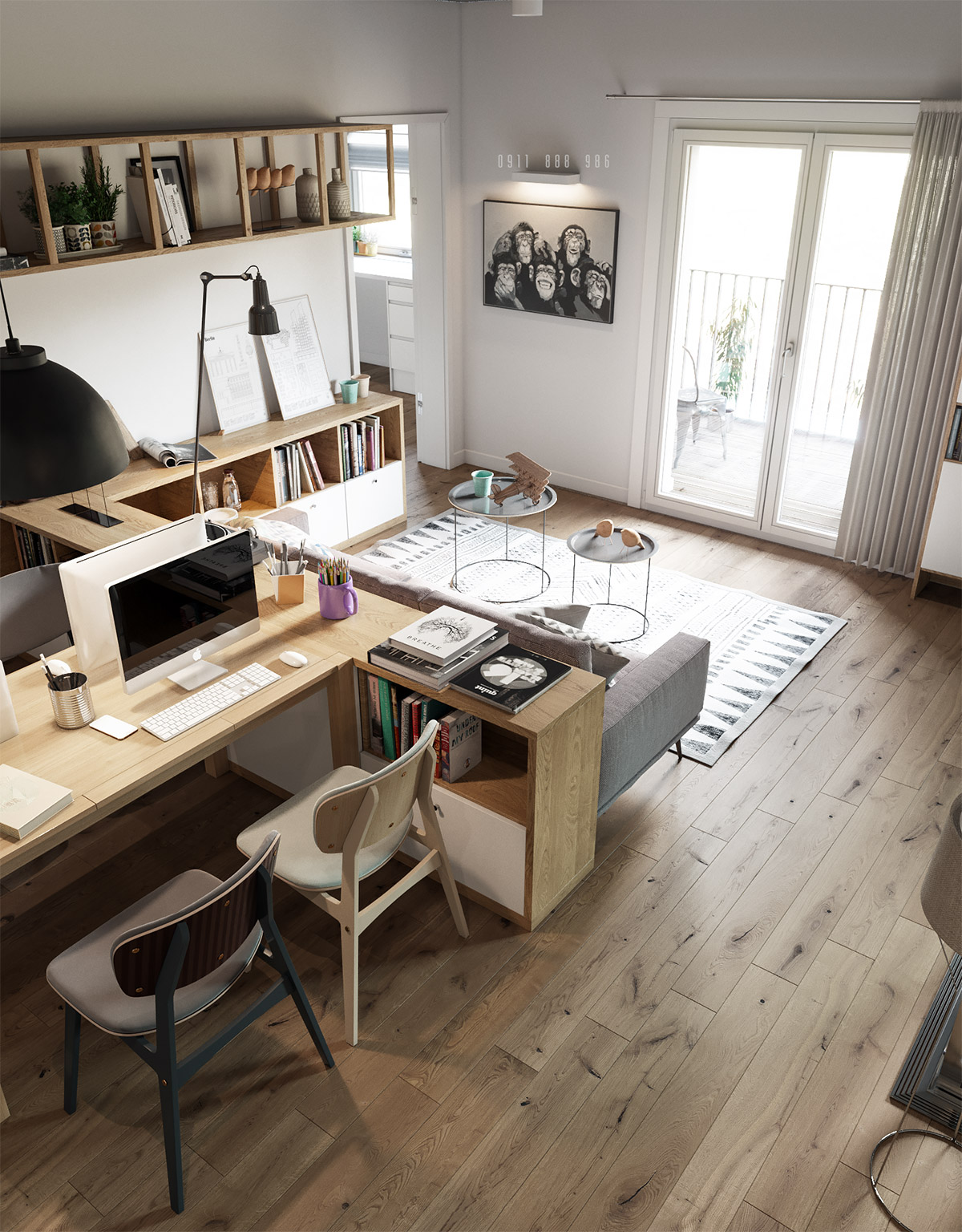
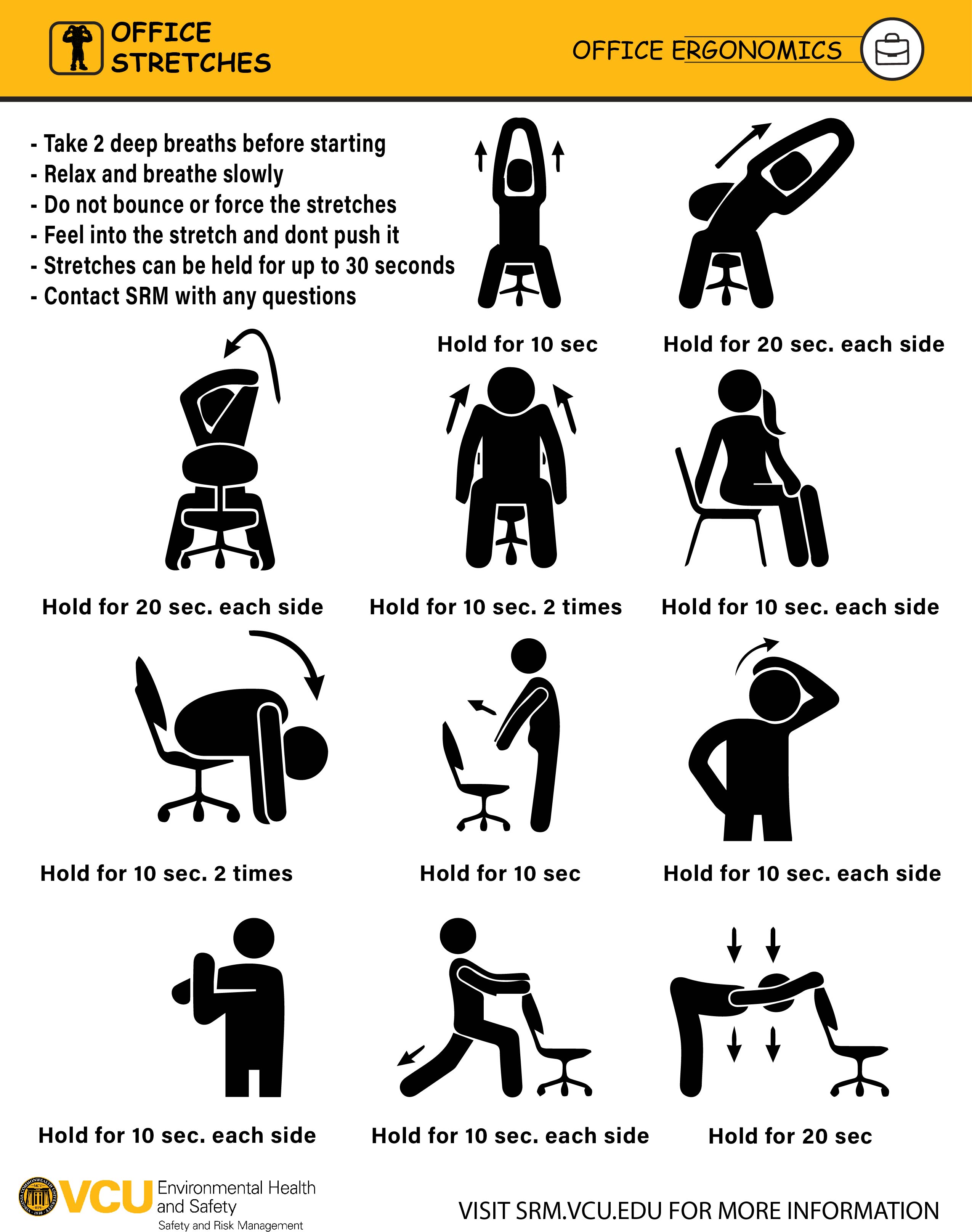
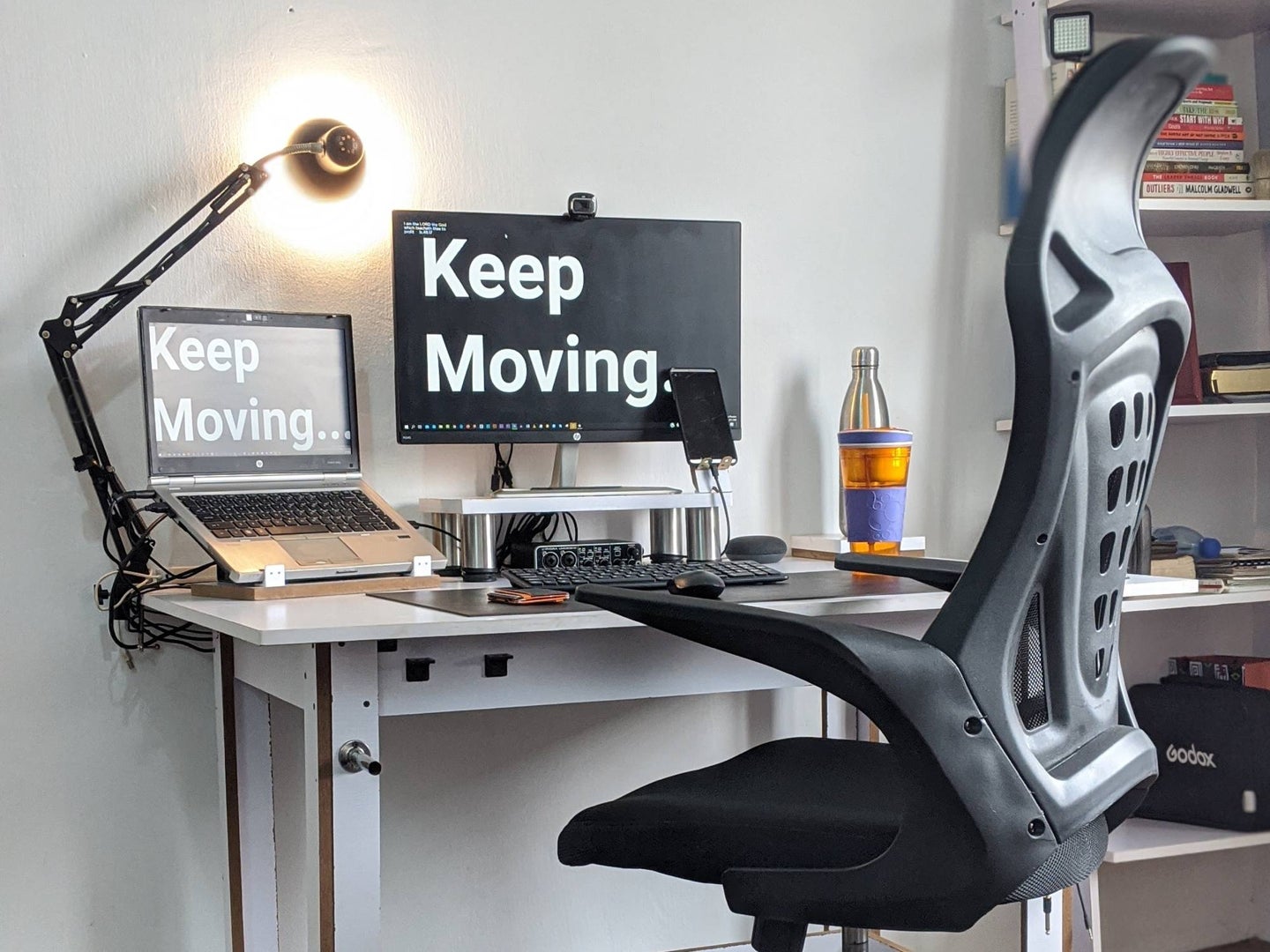
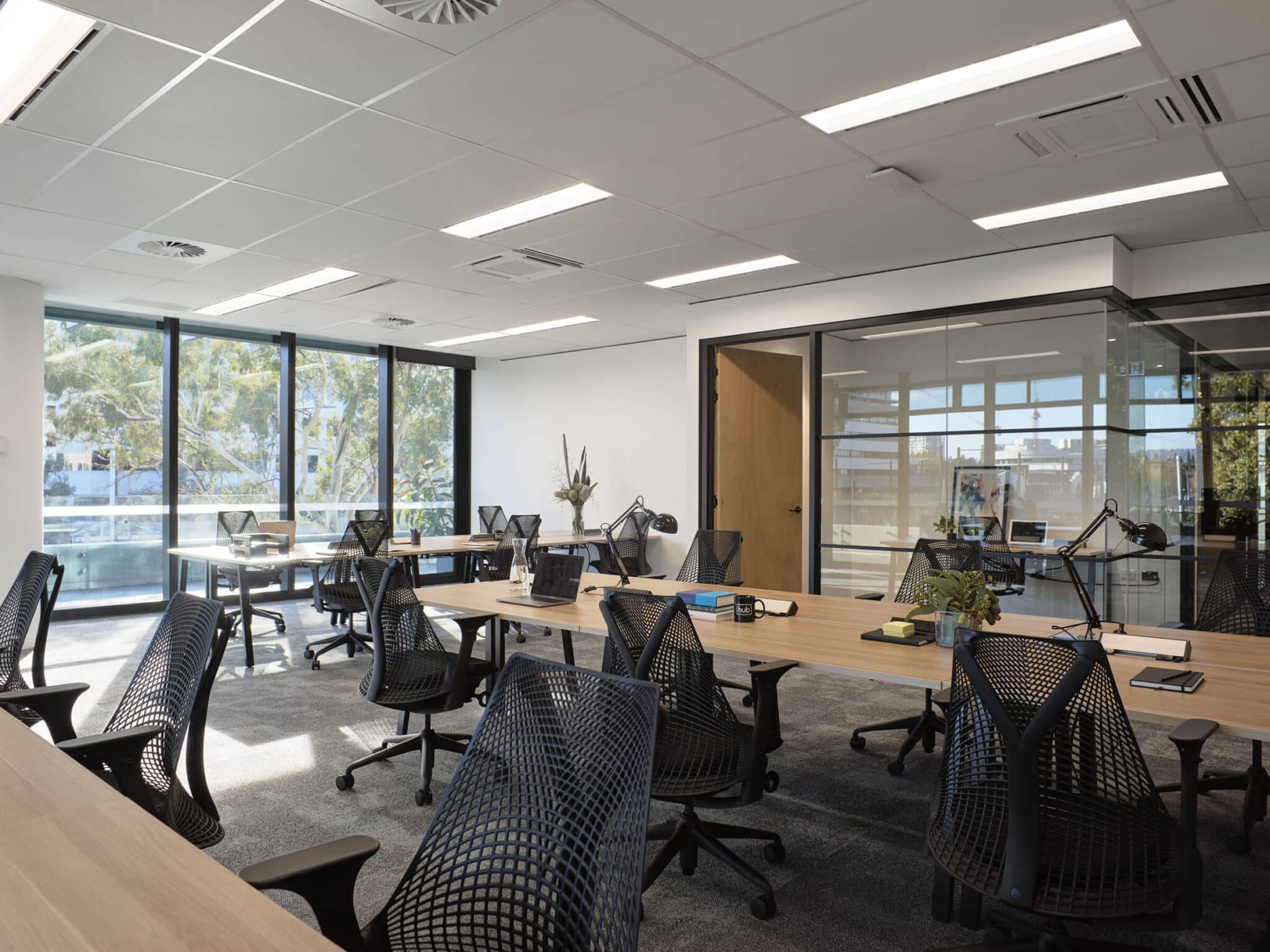
To start, consider the layout of your workspace. Position your chair and desk in a way that allows you to work with a straight back and relaxed shoulders. Your monitor should be at a comfortable height, with the top of the screen at eye level or slightly below. Additionally, make sure there's ample space to move around and stretch, as sitting for long periods can be detrimental to your health.
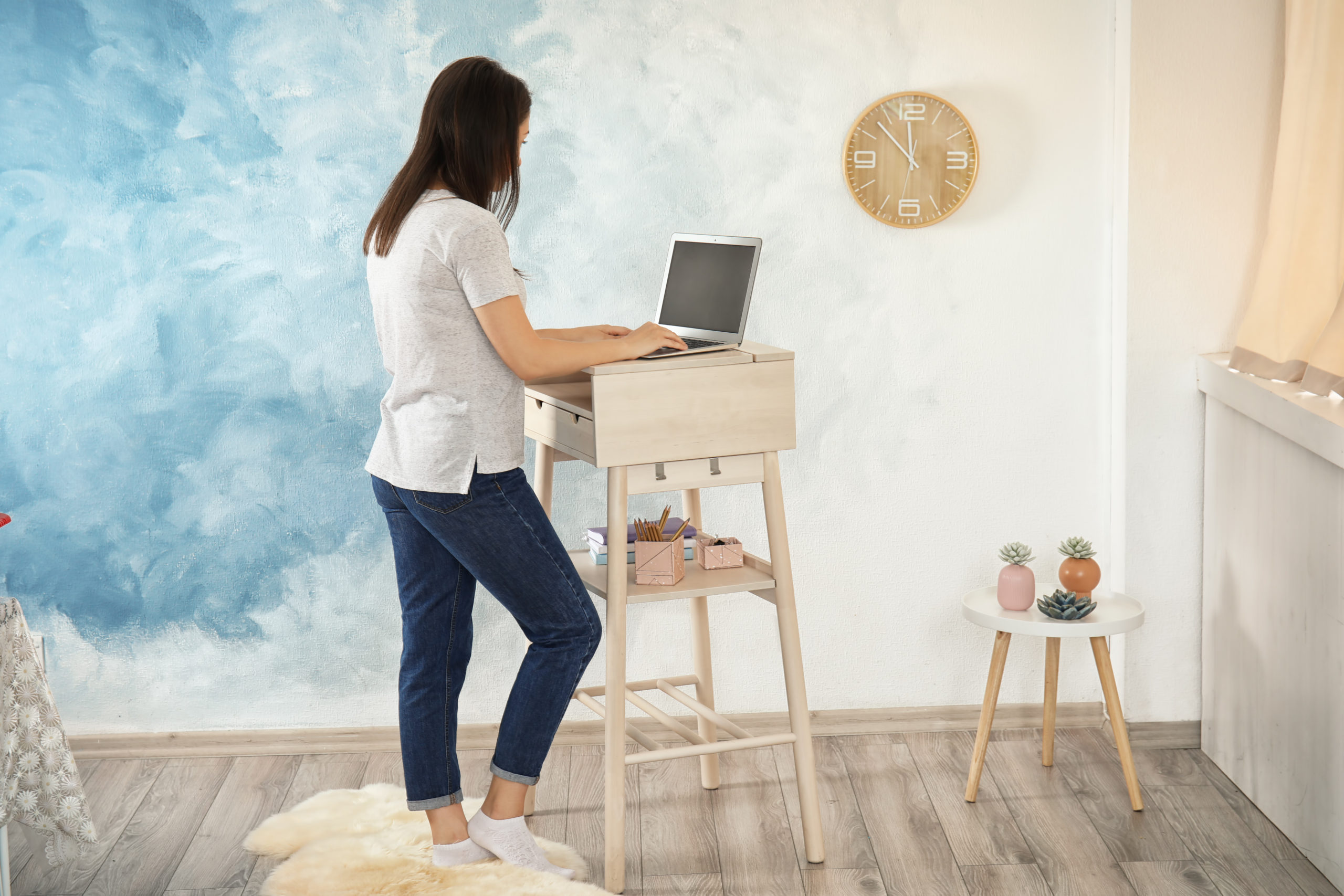
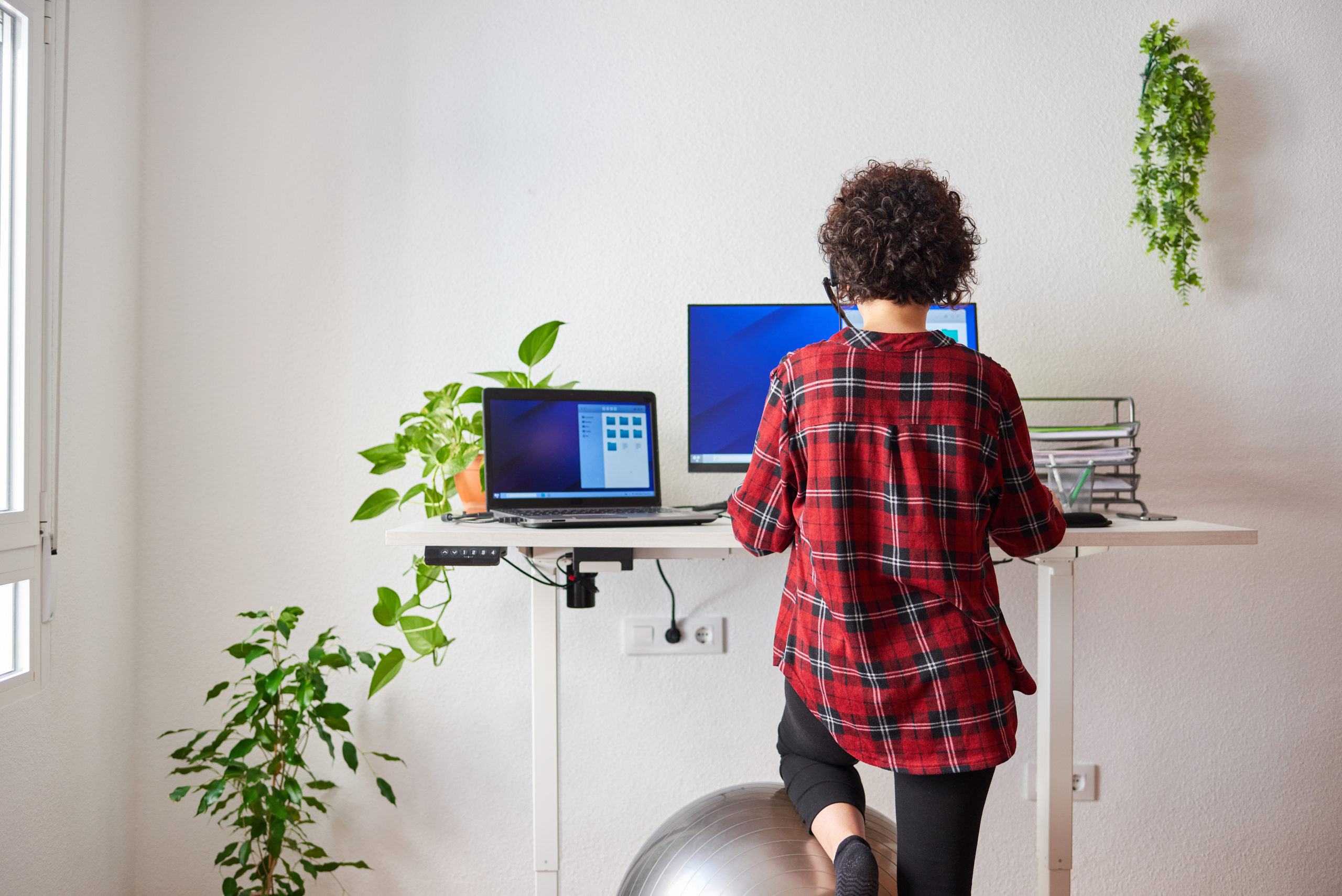
By incorporating a standing desk or a walkable workstation, you can reduce the negative impacts of prolonged sitting and stay energized throughout the day. Setting Up Your Workspace For Long-Term Comfort And Health Incorporating ergonomic principles into your workspace design can also help prevent common workplace injuries, such as carpal tunnel syndrome and back strain. Invest in a high-quality keyboard tray, and consider using a document holder to keep papers and documents at eye level, reducing the need to constantly look down or stretch. By making these simple adjustments, you can create a workspace that not only supports your ergonomic needs but also boosts your productivity and overall job satisfaction.